
After a Tooth Extraction, What’s Normal Healing and What Are the Red Flags?
September 25, 2026 9:00 amThe first look at an extraction site can be a little unsettling. You may see a dark blood clot, notice pink saliva when you spit, or wake up the next morning with more swelling than you expected. Since most people do not spend much time looking at an empty tooth socket, it helps to know what usually settles down on its own and what deserves a call.
At Ryan Dental in Olathe, Kansas, Dr. William Ryan and Dr. Randy Regier provide extraction care and follow-up instructions based on the tooth that was removed and how involved the procedure was. A straightforward extraction can feel very different from removing a difficult molar, so your recovery may not look exactly like someone else’s. Still, pain, swelling, and bleeding should generally start moving in the right direction as the first few days pass.
What Is Normal During the First 24 Hours?
Some bleeding or oozing is expected right after a tooth is removed. Mixed with saliva, even a small amount of blood can make the sink or gauze look much more dramatic than the actual bleeding. Bite firmly on the gauze for the amount of time we recommend, and replace it as directed if the area is still oozing.
Tenderness and swelling can also begin during those first several hours. Your cheek may feel a little fuller, the jaw can be sore from holding open during the procedure, and the extraction site may throb once the numbness wears off. Take any pain medication according to the instructions you were given rather than waiting until the soreness has built up.
For the rest of the day, keep things easy. Soft foods such as yogurt, scrambled eggs, applesauce, mashed potatoes, or lukewarm soup are usually much easier to manage than anything crunchy or chewy. Be especially careful while you are still numb so you do not accidentally bite your cheek, lip, or tongue.
Why the Blood Clot Is So Important
After the tooth comes out, a blood clot forms inside the socket. That clot covers the bone and nerve endings underneath while new tissue begins filling the space. During the first part of healing, keeping it in place is one of the most important things you can do.
For that reason, avoid forceful rinsing, hard spitting, and drinking through a straw for the period listed in your instructions. Those actions create movement or suction inside the mouth that can pull at a fresh clot. Smoking and vaping can also interfere with healing and raise the risk of dry socket.
And although your tongue is probably very curious about the new space, try to leave it alone. Repeatedly pressing into the socket or trying to “clean” it with a finger, toothpick, or toothbrush can irritate tissue that is trying to close over. The site will look a little strange for a while, and that by itself is usually expected.
What Should the Socket Look Like as It Heals?
The extraction site changes quite a bit during the first week. Early on, the clot may look dark red or almost black. As healing continues, the area may develop a whitish or yellowish layer of tissue that can look alarming if you were expecting the socket to stay bright pink.
That pale layer can be part of normal healing tissue rather than pus. Meanwhile, the hole itself may still be visible for a while, especially after a larger tooth is removed. Gum tissue gradually closes over the area, while the bone underneath takes much longer to fill in.
So, try not to judge the recovery from one quick look in the mirror. How the area feels is just as important as how it looks. Pain that is easing, swelling that has peaked and started settling, and less bleeding are all encouraging signs.
How Should Pain Change Over the Next Few Days?
Soreness usually feels strongest early in recovery and then begins to ease. Depending on the extraction, you may still notice tenderness when you chew, yawn, or open wide for a few days. The jaw can also feel stiff, particularly after a back tooth or a longer procedure.
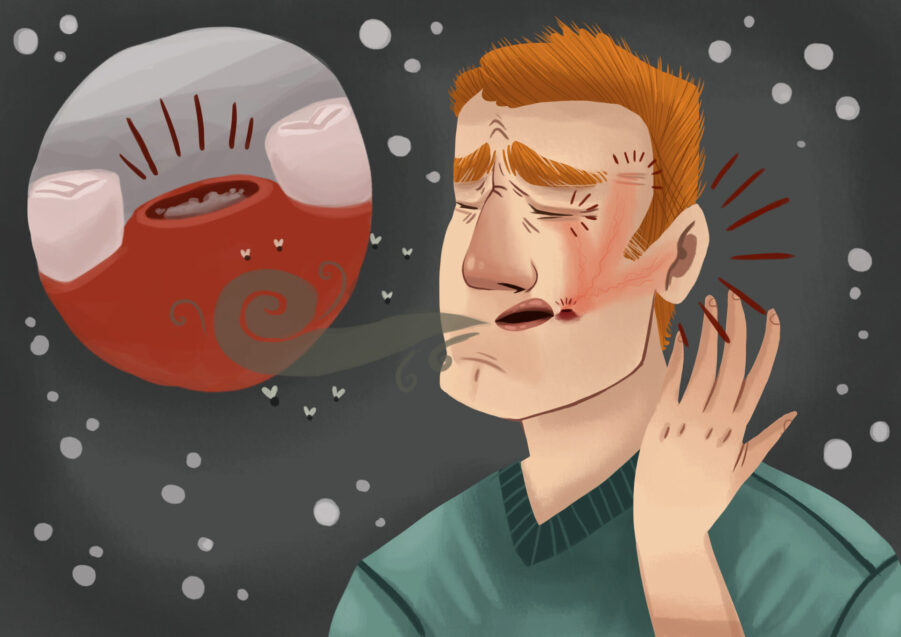
More concerning is pain that starts getting worse after it had begun to settle down. You may have felt reasonably comfortable the day after the extraction and then, two or three days later, develop a deep ache that becomes much stronger. Pain that spreads toward the ear, temple, or jaw can also happen with dry socket.
Dry socket occurs when the protective clot is lost or breaks down before the socket has had enough time to heal underneath it. The discomfort can be intense, and pain medication may barely take the edge off. If your recovery suddenly gets much worse after it had started to settle, call Ryan Dental so Dr. Ryan or Dr. Regier can check the area.
How Much Swelling Is Normal?
A little swelling is common after an extraction, especially when the procedure was more involved. It may increase during the first couple of days before gradually starting to come down. You might notice one cheek looks fuller in the mirror or that opening your mouth feels tighter than usual. If Dr. Ryan or Dr. Regier places a bone graft when the tooth comes out, you may be a little sorer for the next few days and need to take it easy on that side when you eat.
Follow the cold-compress instructions you were given during the early part of recovery. Resting with your head slightly elevated can also be more comfortable than lying completely flat. As the swelling settles, jaw movement usually becomes easier too.
Call us if the swelling continues growing instead of leveling off, becomes firm and increasingly painful, or comes with fever, pus, or a worsening bad taste. Rapidly spreading facial or neck swelling, trouble breathing, or difficulty swallowing needs emergency medical care right away.
When Does Bleeding Become Too Much?
Light oozing can continue for a while after the extraction, and saliva may stay pink longer than you expect. That can be unnerving when you keep checking the gauze, but steady improvement is what we are looking for. The amount should taper rather than keep soaking through fresh gauze at the same rate.
If fresh blood is filling your mouth, soaking through gauze repeatedly, or continuing despite firm pressure, call us. Also let us know if bleeding settles and then starts heavily again later. Blood thinners, certain medical conditions, and some supplements can affect how long bleeding lasts, which is why your medication history is important before and after an extraction.
When using gauze, place it directly over the socket and bite with steady pressure rather than repeatedly lifting it to check. Constantly peeling it away can disturb the clot that is trying to form. Give the pressure time to work.
What About Food Getting Near the Socket?
For the first few days, soft foods make life much easier. Chew away from the extraction site and gradually bring firmer foods back as the area becomes less tender. Small bites are usually easier than trying to stretch your mouth around something thick or chewy.
As you start eating more normally, a little food may find its way near the socket. Resist the urge to go digging after every crumb. Follow the rinsing instructions Ryan Dental gave you, and let normal cleaning and healing do most of the work.
If food seems stuck and you develop increasing soreness, drainage, swelling, or a persistent foul taste, give us a call. The instructions may also be different after a surgical extraction or if stitches were placed. Follow the directions you received for your specific procedure rather than borrowing aftercare advice from someone else’s extraction.
A Bad Taste Can Mean Several Different Things
Blood itself can leave a metallic taste during the first day, and healing tissue can sometimes make the mouth taste different for a short time. That usually becomes less noticeable as the area settles. A little bad breath can also happen while you are being more careful around the extraction site.
A foul taste that keeps returning along with increasing pain, swelling, drainage, or fever is different. Those symptoms can point to infection or another problem at the extraction site. If your mouth suddenly tastes much worse at the same time the socket feels worse, call us.
Bad breath can also show up temporarily while brushing near the extraction is limited. Keep the rest of your mouth clean and follow our directions for cleaning near the socket. Once you are able to resume more normal brushing and rinsing, that usually improves.
When Can You Start Brushing Normally Again?
Keep brushing the rest of your teeth after the extraction, but give the fresh socket some space at first. You do not want the toothbrush bristles scrubbing directly across the clot on the first day. We will tell you when to begin cleaning closer to the area and whether a gentle rinse is appropriate.
As the tenderness improves, you can gradually return to your normal routine. Just be a little slower around the extraction site while the tissue is still closing. If stitches are present, clean around them carefully rather than pulling at them with the brush or floss.
Keeping the rest of the mouth clean helps prevent plaque and food from building up while you heal. There is no need to make the socket itself look spotless. It is supposed to be busy filling in with healing tissue.
When Should You Call Ryan Dental?
Call if pain is getting stronger instead of easing, swelling continues to increase, bleeding stays heavy, or you develop fever, pus, or a persistent foul taste. We also want to hear from you if something simply feels very different from the recovery Dr. Ryan or Dr. Regier described. A recovery that was going fairly smoothly and suddenly takes a turn is worth checking.
You know how you felt yesterday, so a noticeable change for the worse is useful information. Maybe you were managing comfortably with medication and suddenly cannot get ahead of the pain, or yesterday’s mild puffiness has turned into obvious swelling today. Those changes tell us much more than comparing your socket to a photo you found online.
For severe facial swelling, trouble swallowing, or trouble breathing, seek emergency medical care immediately. Once the urgent medical issue is addressed, Ryan Dental can take care of the extraction site and the dental problem behind it.
Extraction Aftercare at Ryan Dental in Olathe, KS
Healing after an extraction can look a little messy before it looks normal again. A dark clot, some pink saliva, tenderness, and a strange-looking socket can all be part of the first few days. What we want to see is a gradual shift toward less pain, less swelling, and easier eating.
Dr. William Ryan and Dr. Randy Regier can check the site if your recovery starts heading the wrong way or something about it is making you uneasy. Ryan Dental can help you decide whether what you are experiencing fits normal healing or needs a closer look. If you are unsure, calling is always better than spending the day wondering whether something has changed.
If you have had a tooth removed and the pain suddenly ramps up, swelling keeps growing, or you simply feel like things are getting worse instead of better, call Ryan Dental in Olathe. We’ll check the area, help get you comfortable, and make sure healing gets back on track!
Image from Authority Dental under CC 2.0
Categorized in: Dental Extractions