
Laser Gum Therapy Aftercare: How to Keep Gums Calm While They Heal
May 21, 2026 9:00 amLaser gum therapy can feel like a turning point when your gums have been sore, bleeding, swollen, or hard to keep healthy. The treatment itself is an important step, but the days afterward play a big role in how comfortable your mouth feels while the tissue heals. Most patients do not need a complicated routine. They need clear instructions, a little patience, and a few gentle habits that keep the gums from getting irritated.
After laser gum therapy, it is normal for the treated areas to feel tender or sensitive. Your gums may feel a little tight, warm, or different when you brush, rinse, or chew. You may also notice slight bleeding or mild swelling at first. The goal during early healing is to keep the area clean without treating it like a spot that needs to be scrubbed or tested.
At Ryan Dental in Olathe, KS, Dr. William Ryan and Dr. Randy Regier give patients aftercare instructions based on the type of laser gum treatment performed and the condition of the gums. The guidance below can help you know what to expect, but the instructions given by the Ryan Dental team should always come first.
What Laser Gum Therapy Is Meant to Do
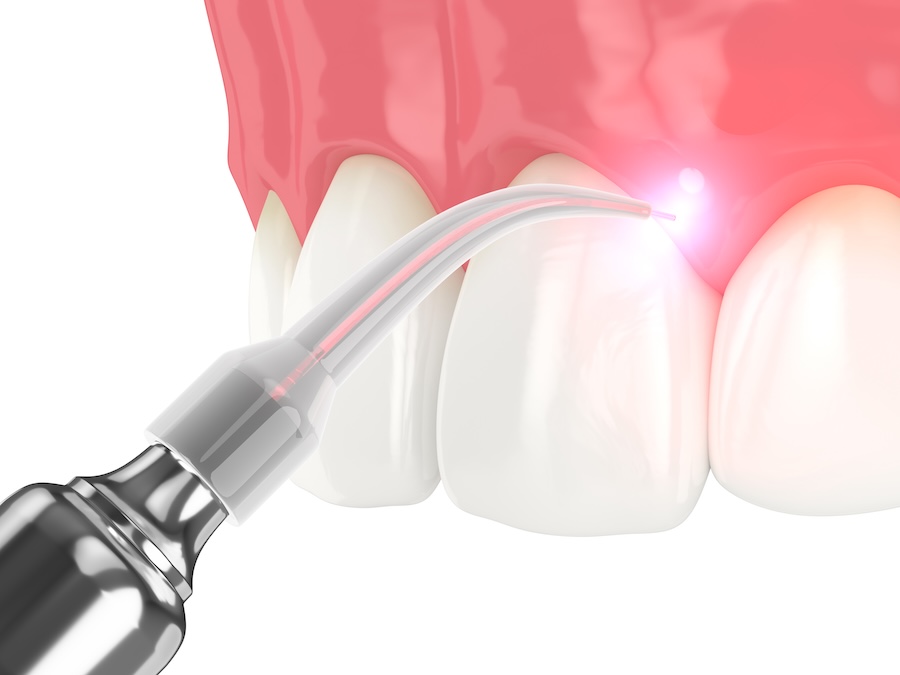
Laser gum therapy is used to help treat areas where the gums are inflamed, irritated, or affected by gum disease. The laser can help reduce bacteria and treat unhealthy tissue around the teeth, which gives the gums a better chance to heal and tighten back down.
For some patients, laser gum therapy may be used instead of a traditional deep cleaning. For others, it may be used along with periodontal cleaning if certain areas need extra attention. It depends on what the gums look like, how deep the pockets are, and how much support the teeth still have.
Even though laser treatment can feel more comfortable for many patients, the gums still need time to settle afterward. The tissue has been treated, so it may feel tender, sensitive, or a little different for a few days.
Aftercare is mostly about being kind to the area while it heals. Soft foods, gentle brushing, careful rinsing, and avoiding anything that pokes or scrapes the gums can help the mouth feel calmer during the first stretch of healing.
What Is Normal After Laser Gum Therapy
Your gums may feel sore, tight, warm, or tender after laser gum therapy. Some patients notice mild swelling, slight bleeding, or tooth sensitivity, especially near the gumline. The tissue may also look a little different before it settles, which can be normal during healing.
These symptoms should gradually ease. You do not need to panic over a little tenderness or sensitivity, but you also should not feel like you have to tough it out if something seems off.
Cold drinks, brushing, or air may feel sharper than usual for a short time. That can happen when inflamed tissue has been treated and the teeth or root surfaces are more noticeable for a bit.
Call Ryan Dental if pain gets worse instead of better, bleeding is heavy, swelling spreads, you notice pus, you develop a fever, or a bad taste keeps getting stronger. Healing should feel like a slow improvement, not a steady slide in the wrong direction.
Follow the Instructions Ryan Dental Gives You
Your aftercare instructions are based on your gums, your treatment, and the areas that were treated. General advice can be helpful, but the directions from Ryan Dental should be the ones you follow first.
Dr. William Ryan or Dr. Randy Regier may give you specific guidance about brushing, rinsing, eating, medication, follow-up visits, and when to restart flossing or other cleaning tools. If you were given a prescription rinse or medication, use it exactly as directed.
If something feels unclear, call the office instead of guessing. It is better to ask a quick question than accidentally irritate the gums by brushing too hard, using a water flosser too soon, or eating something that catches in the treated area.
Good aftercare is not complicated. Keep the area clean, stay gentle, choose softer foods early on, avoid tobacco, and let the tissue heal without poking at it. That steady, careful approach can make the first few days feel much easier.
Be Gentle With Brushing at First
Brushing is still important after laser gum therapy, but the treated areas may need a lighter touch. Your gums are healing, so this is not the time to scrub hard along the gumline or try to make the area feel perfectly normal right away.
Use a soft-bristled toothbrush unless your dentist gives you different instructions. Brush the untreated areas as usual, then slow down near the treated gums. Small, gentle movements are better than firm pressure. If the bristles are bending hard against the gums, you are probably using more force than needed.
Some patients may be told to avoid brushing directly over certain treated areas for a short time. Others may be told to brush lightly right away. That depends on the treatment and how the tissue looks afterward, so follow the instructions Ryan Dental gives you.
If brushing causes slight tenderness, that can be normal. If it causes heavy bleeding, sharp pain, or swelling that worsens, call the office. Your routine can often be adjusted so your mouth stays clean without making the gums more irritated.
Rinse Carefully, Not Forcefully
Rinsing can help the mouth feel cleaner after laser gum therapy, but gentle is the word to remember. Forceful swishing or spitting can disturb tender tissue and make the gums feel more irritated.
Warm salt water rinses may be recommended because they are simple and soothing. If you use one, let the rinse move around your mouth softly rather than swishing hard. When you are done, let it fall out of your mouth instead of spitting with force.
If Ryan Dental gives you a prescription rinse, use it exactly as directed. Do not add extra rinses or use strong alcohol-based mouthwash unless your dentist says it is okay. Some mouthwashes can sting or dry the tissue, which is not helpful when the gums are trying to heal.
If rinsing makes the area bleed or burn, call the office and ask what to do. Sometimes a small change in timing, temperature, or technique can make a big difference in comfort.
Choose Soft Foods While the Gums Settle
Soft foods are usually the best choice during the first few days after laser gum therapy. The treated gums may be tender, and hard or crunchy foods can scrape the area or get caught where the tissue is healing.
Good options may include scrambled eggs, yogurt, applesauce, oatmeal, mashed potatoes, soft pasta, cottage cheese, soft fish, smoothies eaten with a spoon, and soups that are warm rather than hot. Foods that are easy to chew can help you get through the first stretch without putting too much pressure on the gums.
Try to avoid chips, popcorn, nuts, seeds, crusty bread, hard candy, spicy foods, and anything with sharp edges. Small seeds and crumbs can be especially annoying because they can settle near the gums and be hard to rinse away gently.
As your gums feel better, you can slowly add back more normal foods. If one area stays sore every time you chew, or if food keeps getting stuck near the treated gums, call Ryan Dental for guidance.
Avoid Very Hot, Spicy, or Crunchy Foods Early On
Temperature and texture can affect how your gums feel after treatment. Very hot foods and drinks may make tender tissue throb or feel more sensitive. Spicy foods can sting, especially if the gum tissue is already irritated.
Crunchy foods are another common problem during early healing. Chips, crackers, hard bread, and popcorn can poke the gums or break into small pieces that settle along the gumline. Even if the food seems harmless, the treated area may not be ready for it yet.
For the first few days, aim for meals that are mild, soft, and easy to chew. You do not have to eat bland food forever, but a short period of gentler choices can keep the gums calmer.
If you are not sure whether a food is too rough, wait a little longer or chew on the opposite side if your dentist says that is okay. A few days of caution can save you from unnecessary soreness.
Stay Hydrated and Support Saliva
Water can be surprisingly helpful after laser gum therapy. Staying hydrated supports saliva, and saliva helps rinse the mouth, buffer acids, and keep tissues more comfortable.
Dry mouth can make healing feel rougher. If your mouth feels sticky, dry, or irritated, sip water often. Avoid alcohol and tobacco during healing because both can dry and irritate the mouth. Sugary drinks can also feed bacteria, which is not what healing gums need.
If you drink coffee or tea, let it cool before sipping. Very hot drinks may bother the treated areas. If you notice staining drinks make your mouth feel dry, try balancing them with more water.
If dry mouth is already a problem for you because of medication, health conditions, or mouth breathing, tell Dr. Ryan or Dr. Regier. They may suggest products or habits that help your mouth stay more comfortable while the gums heal.
Avoid Smoking, Vaping, and Tobacco During Healing
Tobacco can make gum healing more difficult. Smoking, vaping, and smokeless tobacco can irritate the tissue, reduce blood flow, dry the mouth, and make it harder for the gums to recover well after periodontal treatment.
After laser gum therapy, the gums need a clean, calm environment. Tobacco works against that. Even if your mouth feels okay, using tobacco during early healing may increase irritation and slow progress.
If you use tobacco, ask Ryan Dental how long you should avoid it after treatment. The longer you can stay away from it, the better it is for your gums.
This may also be a good time to talk about support if you have been thinking about quitting. Gum disease and tobacco use are closely connected, and cutting back or stopping can help your long-term oral health.
Do Not Pick at the Treated Areas
After laser gum therapy, the gums may look or feel different for a little while. You may notice a thin film, tenderness, color changes, or areas that feel uneven. It can be tempting to check the spot with your tongue, finger, toothpick, or floss, but the best thing you can do is leave it alone.
Healing tissue is easy to disturb. Picking, scraping, or repeatedly touching the area can increase soreness and slow the settling process. Even if something looks unfamiliar, it may be part of normal healing.
If food gets near the treated area, rinse gently instead of digging at it. If something feels stuck and will not come out with careful rinsing, call the office before trying to remove it aggressively.
Your gums need time to do their work. Letting the tissue rest is one of the simplest ways to help the healing process feel smoother.
Use Pain Relief Only as Directed
Some soreness after laser gum therapy is normal. Your dentist may recommend over-the-counter pain relief or prescribe medication depending on your treatment and health history. Follow the directions you are given.
Do not take more medication than directed, and do not combine medications unless you know it is safe for you. If you take blood thinners, have stomach problems, kidney disease, liver disease, allergies, or other health concerns, medication instructions are especially important.
A cold compress may help with mild swelling or soreness in some cases, but ask your dental team if that fits your treatment. Some gum soreness responds better to gentle rinsing and soft foods than pressure from the outside.
If pain is getting worse instead of improving, do not just keep increasing pain relievers. Call Ryan Dental so the team can check whether the healing pattern sounds normal or whether you should be seen.
Be Careful With Flossing and Water Flossers
Cleaning between the teeth is important for gum health, but you may need to adjust your routine right after laser gum therapy. Treated gum tissue can be tender, and pulling floss through too firmly may irritate the area.
Ryan Dental will let you know when and how to restart flossing around the treated areas. In some cases, you may be told to avoid flossing a certain spot briefly. In other cases, you may be asked to floss gently but carefully.
Water flossers can be useful for some patients, but they may be too forceful too soon after treatment. Do not use a water flosser near treated gums until your dentist or hygienist says it is safe.
Once healing has progressed, cleaning between the teeth becomes an important part of keeping gum disease from returning. The goal is not to stop those habits. It is to restart them at the right time and with the right amount of pressure.
Watch for Signs That Need a Call
Most healing symptoms after laser gum therapy should improve little by little. Tenderness, slight swelling, mild bleeding, and sensitivity may happen at first, but they should not keep getting worse.
Call Ryan Dental if you notice heavy bleeding, swelling that spreads, severe pain, fever, pus, a foul taste that worsens, or trouble swallowing or breathing. You should also call if the treated area feels worse after several days instead of slowly improving.
If a tooth feels very loose, your bite suddenly feels off, or you cannot chew comfortably, it is worth checking in. Some changes can happen during healing, but your dentist can help you know what is expected and what needs attention.
You do not need to wait for an emergency to ask a question. If something feels wrong or you are unsure how to care for the area, call the office and get clear instructions.
Keep Your Follow-Up Visits
Follow-up visits are an important part of laser gum therapy. Dr. Ryan, Dr. Regier, or the hygiene team may need to check how the tissue is healing, review your home care, and monitor gum pocket changes.
Gum disease is managed over time. Laser therapy can help reduce bacteria and support healthier tissue, but long-term stability depends on maintenance visits, daily care, and controlling risk factors such as tobacco use, dry mouth, diabetes, or clenching.
During follow-up, the team may check whether the gums are less inflamed, whether pockets are improving, and whether any areas need extra attention. They may also adjust your cleaning schedule based on your gum health.
Skipping follow-up visits can allow inflammation to return quietly. Staying on schedule helps your gums stay healthier after treatment and gives your dental team a chance to catch small changes early.
Ease Back Into Normal Habits
As your gums heal, your normal routine will gradually return. You will be able to brush more normally, add back more foods, and restart certain cleaning tools as directed. The timing depends on your treatment and how your gums respond.
Do not rush the process just because the gums feel better after a day or two. Tissue can still be healing even when soreness fades. Keep following your instructions until Ryan Dental tells you to adjust them.
If you exercise heavily, clench your jaw, or wear a nightguard, ask if any short-term changes are needed. Some patients may need to be mindful of pressure on the teeth and gums during early healing.
A steady return to normal habits is usually better than jumping back into everything at once. The aim is to keep the gums calm while they regain comfort and stability.
How to Protect Your Gums Long Term
Laser gum therapy aftercare does not end the moment soreness fades. Long-term gum health depends on daily care and regular maintenance. Brush thoroughly, clean between your teeth, keep up with recommended visits, and pay attention to signs like bleeding, swelling, bad breath, or gum tenderness.
Your dental team may recommend periodontal maintenance instead of a standard cleaning schedule. These visits are often more frequent because gum disease can return if bacteria are allowed to build up again.
Home care may also need small changes. You may benefit from an electric toothbrush, interdental brushes, a water flosser once healing allows, prescription rinse, fluoride, or other tools based on your mouth.
At Ryan Dental, Dr. Ryan and Dr. Regier can help you build a maintenance plan that fits your gum health. The goal is not only to recover from treatment, but to keep your gums healthier going forward.
Laser Gum Therapy Aftercare in Olathe, KS at Ryan Dental
Laser gum therapy aftercare is about giving your gums a clean, gentle place to heal. Soft foods, careful brushing, light rinsing, hydration, avoiding tobacco, and following your dentist’s instructions can all help reduce irritation during early recovery.
At Ryan Dental in Olathe, KS, Dr. William Ryan and Dr. Randy Regier guide patients through laser gum therapy and the healing period that follows. If you have questions about soreness, brushing, rinsing, eating, or what is normal after treatment, the team can help you understand what to do next.
If you are preparing for laser gum therapy or have already had treatment and want guidance during healing, call Ryan Dental to schedule or follow up. Clear aftercare can help your gums feel calmer and support better long-term gum health.
FAQs
How long does it take gums to heal after laser gum therapy? Healing varies based on the type of laser treatment, the severity of gum disease, and your overall health. Many patients feel better within a few days, but deeper tissue healing and gum stabilization can take longer. Follow-up visits help monitor your progress.
What should I eat after laser gum therapy? Soft foods are usually best for the first few days. Good options include yogurt, eggs, oatmeal, mashed potatoes, soft pasta, applesauce, smoothies eaten with a spoon, and warm soup. Avoid crunchy, spicy, hard, seedy, or very hot foods until your dentist says it is safe.
Can I brush my teeth after laser gum therapy? Yes, but you may need to brush gently and avoid scrubbing directly over treated areas for a short time. Use a soft-bristled toothbrush and follow the instructions Ryan Dental gives you for your specific treatment.
Can I rinse with salt water after laser gum therapy? Warm salt water rinses may be recommended to soothe the gums, but rinse gently. Avoid forceful swishing or spitting early on unless your dentist says otherwise.
Is bleeding normal after laser gum therapy? Slight bleeding can happen, especially early in healing or if the area is bumped. Heavy bleeding, bleeding that does not slow, or bleeding with worsening swelling or pain should be reported to the office.
When should I call the dentist after laser gum therapy? Call if you have severe pain, heavy bleeding, spreading swelling, fever, pus, worsening bad taste, trouble swallowing, trouble breathing, or symptoms that get worse instead of better.
Can I use a water flosser after laser gum therapy? Do not use a water flosser near treated areas until your dentist or hygienist says it is okay. Water pressure may irritate healing tissue if used too soon or disrupt any Arestin antibiotic treatments.
Categorized in: Laser Gum Therapy