
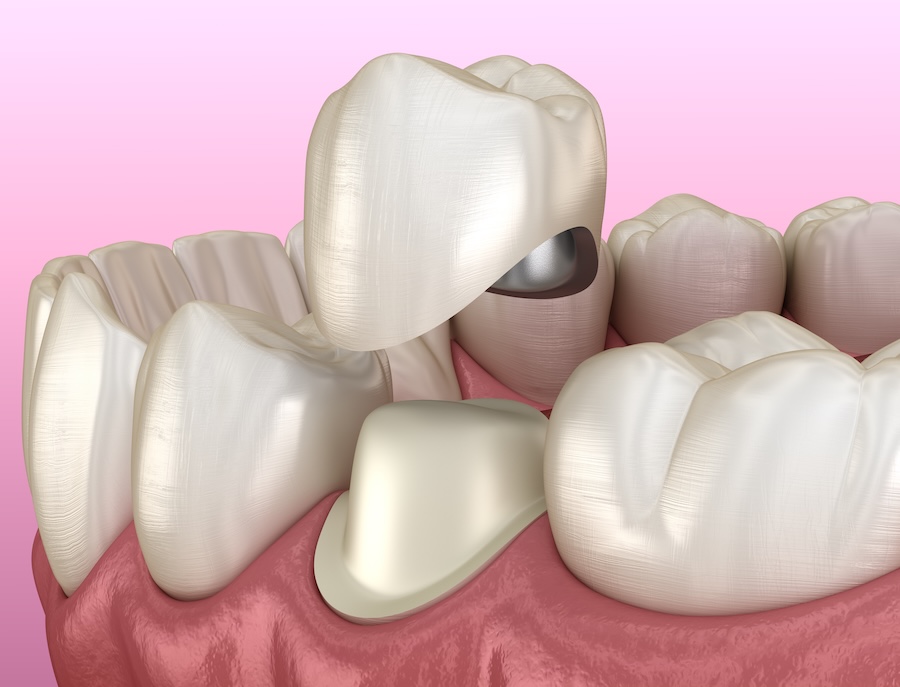
New Crown Care: What to Expect With Chewing, Sensitivity, and Bite Changes
February 20, 2026 9:00 amGetting a new dental crown is a common and reliable way to restore a damaged or weakened tooth. Whether your crown was placed after a large filling, a fracture, or root canal therapy, it is designed to strengthen and protect your tooth for years to come.
Still, many patients have questions in the first few days after placement. Is it normal to feel pressure when chewing? Why does the tooth feel slightly sensitive? Does my bite feel different?
At Ryan Dental in Olathe, KS, Dr. William Ryan and Dr. Randy Regier help patients understand what is normal after a new crown and when to call the office. Knowing what to expect makes the adjustment period much easier.
What to Expect When Chewing
After your crown is placed, it may feel slightly different from your natural teeth at first. This is completely normal. Your mouth is very sensitive to small changes, and even a well-fitted crown can take a few days to feel natural.
You may notice:
- Mild pressure when biting down
- Awareness of the crown while chewing
- Slight tenderness in the surrounding gum tissue
In most cases, this improves within a few days as your bite settles and your muscles adjust. It is helpful to avoid extremely hard or sticky foods during the first day or two while the cement fully sets.
However, if you experience sharp pain when biting or if your teeth do not seem to come together evenly, your bite may need a minor adjustment. A quick visit can usually resolve this easily.
Temporary Sensitivity After a Crown
Some sensitivity is common after a crown is placed, especially to hot or cold foods. This can occur because the tooth was prepared before the crown was bonded. The inner portion of the tooth may take time to settle.
Sensitivity typically:
- Is mild
- Improves gradually
- Lasts a few days to a couple of weeks
Using a toothpaste designed for sensitive teeth can help during this period. If sensitivity becomes severe or lingers beyond a few weeks, it is important to schedule an evaluation to rule out other concerns.
In many cases, the discomfort simply fades as the tooth adapts.
Bite Changes and Adjustment Period
One of the most common questions after a new crown involves bite changes. Even small differences in height can feel noticeable at first.
Your dentist carefully checks your bite before final placement. However, once the numbness wears off, you may become more aware of how your teeth come together.
Signs your bite may need adjustment include:
- A feeling that the crowned tooth hits first
- Jaw soreness
- Headaches after chewing
- Continued discomfort when biting
If this occurs, do not ignore it. Bite adjustments are straightforward and help prevent unnecessary strain on the tooth and jaw.
Most patients adjust naturally within a few days, but it is always better to check if something feels off.
Caring for Your New Crown
Once your crown is in place and your bite feels comfortable, daily care becomes the key to long-term success. While the crown itself is made from durable materials, the tooth underneath and the surrounding gum tissue still require consistent attention.
Brushing twice a day helps remove plaque from around the edges of the crown, where the restoration meets your natural tooth. This area, called the margin, is especially important to keep clean. If plaque accumulates there, it can lead to gum inflammation or decay in the remaining tooth structure.
Flossing is equally important. Some patients feel hesitant about flossing around a new crown, but gentle flossing will not damage it. In fact, keeping the gum tissue healthy around the crown helps maintain a secure fit over time.
It is also helpful to be mindful of habits that place unnecessary stress on your teeth. Chewing ice, biting hard objects, or using your teeth to open packaging can shorten the lifespan of any dental restoration.
Routine dental cleanings and exams allow your dentist to monitor the crown’s condition and ensure that both the restoration and the surrounding tissues remain healthy. With proper care, a crown can last many years and continue to function comfortably.
New Crown Care at Ryan Dental in Olathe, KS
Adjusting to a new crown typically involves a short transition period. Mild chewing sensitivity, temporary temperature sensitivity, and slight bite awareness are common. Persistent discomfort, however, should always be evaluated.
At Ryan Dental in Olathe, KS, Dr. William Ryan and Dr. Randy Regier are committed to ensuring that every crown fits comfortably and functions properly. If you have recently received a crown and have questions about chewing, sensitivity, or bite changes, contact Ryan Dental in Olathe, KS to schedule an appointment. A quick evaluation can provide reassurance and help your restoration feel completely natural.
Categorized in: Dental Crowns