
Signs It’s Time to Replace Your Dentures
June 24, 2026 9:00 amDentures can work well for years, then gradually start feeling different. You may notice they move more when you talk, food gets underneath them more often, or a sore spot shows up near the end of the day. Because those changes usually happen slowly, many people adjust their routine around them without realizing how much the fit has changed.
The denture itself can wear down over time. Meanwhile, the gums and jawbone underneath continue changing after teeth are lost. As a result, a denture that once fit closely may begin to rock, rub, or feel less secure even when it does not look damaged.
At Ryan Dental in Olathe, KS, Dr. William Ryan and Dr. Randy Regier can examine the denture, the gums underneath it, and the way your teeth come together. Sometimes a small adjustment or reline is enough. In other cases, the denture may be too worn, damaged, or loose for another repair to be the best use of your time.
Dentures and Your Mouth Both Change Over Time
Cleaning dentures carefully and taking them out at night can help them last longer. However, daily chewing still wears on the denture teeth and base. Small cracks can develop, the teeth may become flatter, and the material can lose some of the shape it had when it was first made.
At the same time, the gums and jawbone do not stay exactly the same after teeth are removed. The bone that once held the natural tooth roots can gradually shrink, which changes the ridge that supports the denture.
That change is often behind many of the problems people notice later. A denture may start moving more, pressing harder in one spot, or leaving extra space where food can slip underneath. The denture may not be broken, but it may no longer match the shape of the mouth as closely as it once did.
Your Dentures Move More During Meals or Conversation
A denture that shifts during meals can make eating more work than it should be. You may take smaller bites, chew mostly on one side, or skip foods that feel likely to move the denture.
Upper dentures often rely on suction and the shape of the roof of the mouth to stay in place. Lower dentures can be harder to stabilize because the tongue, cheeks, and lower jaw are always moving around them. Some movement can happen with removable dentures, especially on the lower arch. However, regular rocking, lifting, clicking, or sliding is worth having checked.
A reline may help when the denture base is still in good shape but no longer fits the gums closely. If the denture teeth are worn down, the base has become weak, or the bite has changed, a new denture may make more sense than trying to keep adjusting the old one.
Sore Spots Keep Returning
A sore spot often means the denture is pressing too hard in one area. You may notice tenderness after wearing the denture all day, pain when you bite in a certain place, or a small irritated area that calms down when you leave the denture out.
That can be tempting to manage at home for a while. You may use more adhesive, avoid wearing the denture for a day, or chew on the other side. However, if the sore area comes back once you return to your regular routine, the denture fit needs attention.
Sometimes one small adjustment can remove a pressure point. On the other hand, repeated sore spots in different areas can point to a broader fit issue. Trying to file, bend, or reshape a denture at home can create new pressure elsewhere, so it is better to have the fit checked professionally.
You Are Relying on More Adhesive
Denture adhesive can be useful for extra support during a long day or while eating certain foods. It should not have to carry the entire job of holding a denture in place, though.
If you are using more adhesive than you used to, reapplying it during the day, or feeling like the denture will not stay put without it, the fit may have changed. Adhesive can make a loose denture feel better for a while, but it does not correct the shape underneath.
This is often where a denture exam can be helpful. Your dentist can check whether a reline would restore the fit or whether the denture itself has worn enough that replacement would give you a better result.
The Denture Teeth Look Flat or Worn Down
Denture teeth are built for chewing, but they can slowly wear flatter over the years. Because the change is gradual, you may not notice it until foods that used to be manageable become harder to chew.
As those teeth wear down, the bite can change too. The jaws may come together differently, and the muscles around them may have to work harder during meals. Some people notice more jaw fatigue, while others feel like their lips and cheeks have less support than they used to.
Worn denture teeth are not only a cosmetic issue. They can affect chewing, speech, and how comfortably the upper and lower dentures meet. When the teeth have worn significantly, a new denture may be more useful than trying to repair one part of an aging appliance.
Food Is Getting Under the Dentures More Often
Food can get under dentures from time to time, particularly with lower dentures. However, when it happens throughout nearly every meal, the denture may no longer be sitting closely against the gums.
Small foods such as rice, seeds, lettuce, or pieces of meat can become especially frustrating because they find the extra space quickly. Then the denture may move slightly while you chew, which pushes food farther underneath.
A reline may improve this when the denture base and teeth are still in good shape. If the fit problem is paired with worn teeth, cracks, or a bite that feels off, replacement may provide a more complete answer.
Cracks, Chips, and Repairs Are Starting to Add Up
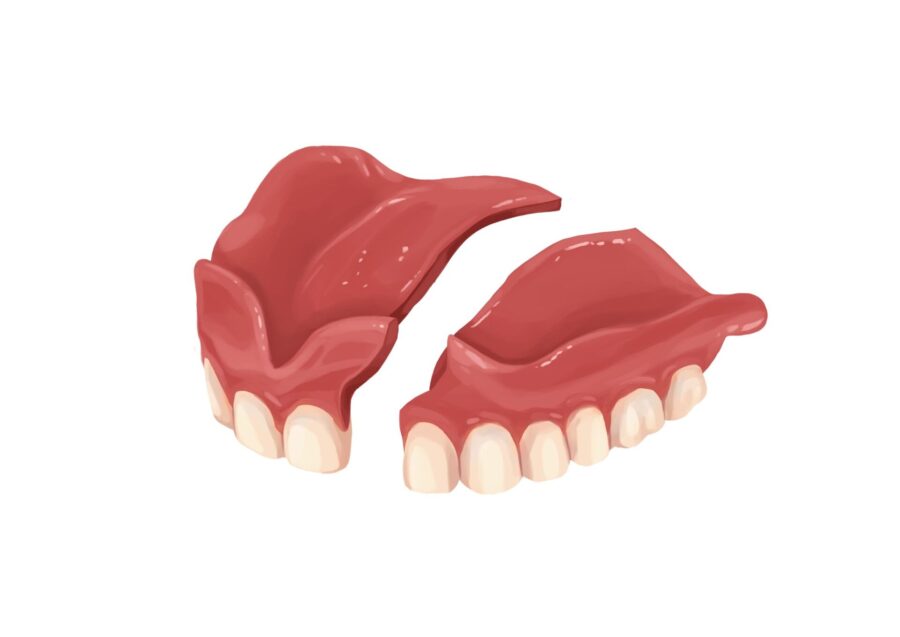
Dentures can crack from age, repeated pressure, or being dropped. A small repair may hold well when the rest of the denture is still strong. However, when fractures keep returning, a tooth comes loose more than once, or the denture seems to need another repair every few months, it may be reaching the end of its useful life.
A repair can fix the visible break, but it does not always address why the denture broke. The base may have become thinner, the bite may be uneven, or the fit may be causing the denture to flex more than it should.
Your dentist can look at whether the damage is limited to one area or whether the whole denture has become too worn to rely on for everyday use.
Your Bite Feels Different or Your Jaw Tires More Easily
When denture teeth wear down or the fit changes, the way your jaws meet can shift as well. You may find yourself moving your jaw slightly to find a comfortable bite, or meals may take longer because chewing no longer feels as natural.
This can happen because worn teeth no longer hold the jaws at the same height. As the bite changes, the jaw muscles may work differently to bring the dentures together.
You may not notice this all at once. Instead, you may slowly avoid certain foods, chew more on one side, or feel tired after meals that require more chewing. Checking the bite is part of a denture exam because the fit and the way the teeth meet are closely connected.
A Reline, Repair, or New Denture May Be the Right Next Step
Not every denture issue calls for a completely new set. The right option depends on what has changed.
A denture adjustment may help when there is one sore spot or a small pressure area. A reline changes the inside surface of the denture so it fits the gums more closely after the mouth has changed. A repair can work for a limited crack, chipped tooth, or small area of damage.
A new denture may be recommended when the teeth are worn, the base has cracked repeatedly, the bite has changed, or the denture no longer fits well even after adjustments. At that point, another repair may only delay a larger issue.
Implant-supported dentures can also be part of the conversation for some patients. Implants may give a removable denture more stability, while some treatment plans use implants to support a fixed set of teeth. Whether that is an option depends on the gums, bone, health history, and the type of denture you use now.
Signs It Is Time to Call Ryan Dental
Schedule an exam if your dentures are loose, rubbing, shifting during meals, or requiring much more adhesive than before. It is also worth calling when food is constantly getting underneath them, the denture teeth look worn, your bite feels different, or repairs are becoming a regular issue.
Contact the office sooner if you have a sore spot that does not heal, a denture that has cracked, or discomfort that is making you avoid wearing it. A denture that no longer fits can irritate the gums and make speaking and eating harder than they need to be.
At Ryan Dental in Olathe, KS, Dr. William Ryan and Dr. Randy Regier can examine your dentures, the tissues underneath them, and your bite before discussing the next step. Call to schedule a visit when your dentures have started rubbing, shifting, or making meals more difficult.
Image from Authority Dental under CC 2.0
Categorized in: Dentures