
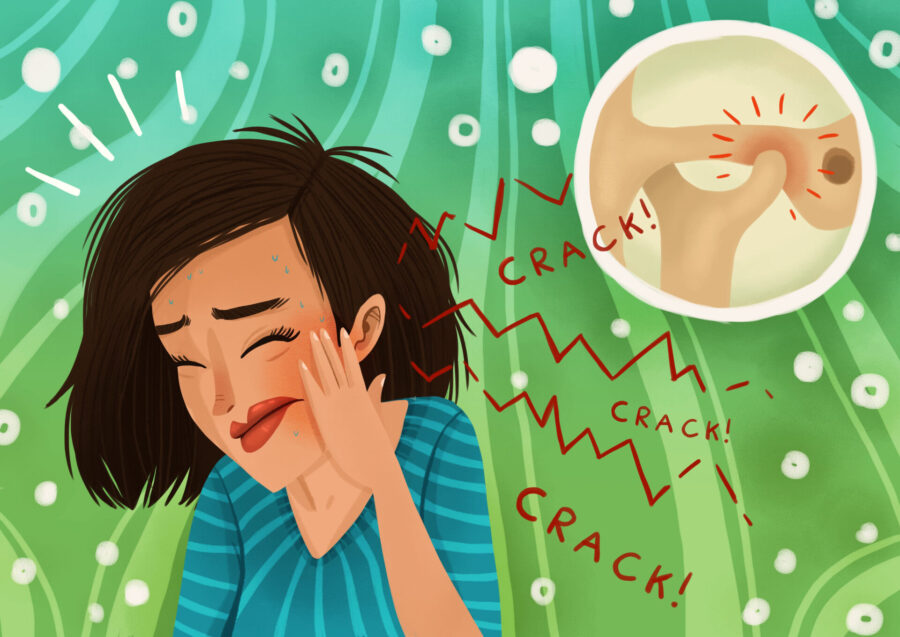
TMJ Flare-Ups: What Common Triggers Make Jaw Pain Worse, and What Helps at Home?
October 9, 2026 9:00 amDuring a TMJ flare-up, you may find yourself cutting a sandwich into smaller bites or leaving the chewiest part of dinner on the plate. Then a yawn hurts, and you realize the jaw has been sore even when you’re not eating. Giving the jaw less work can ease that painful stretch. However, if it keeps happening, we can check whether the pain comes from the joint, the muscles, or a tooth.
At Ryan Dental in Olathe, Kansas, Dr. William Ryan and Dr. Randy Regier examine the jaw joints, muscles, and teeth when pain keeps returning. TMJ is the name for the joints just in front of your ears, while TMD describes disorders affecting those joints or the muscles around them. We ask when it hurts, feel for sore muscles, and watch how your jaw opens. Then we can explain what to change at home and whether an appliance may help.
Clenching Can Keep the Muscles Working
An afternoon of emails can leave your jaw tired if you’ve been holding your teeth together through each one. That clenching creates sustained pressure, even though you haven’t eaten anything. When you keep clenching through the day, your jaw may feel sore by dinner. If it happens during sleep, you may wake with that soreness instead.
When you catch yourself clenching, allow the teeth to separate and the jaw to rest comfortably. Avoid holding it in a forced position or repeatedly pressing the teeth together to check the pain. A small reminder near your screen can help you catch yourself clenching before your jaw starts to ache.
When stress leads to daytime clenching, noticing the habit and finding ways to ease tension may reduce some of the muscle strain. However, jaw disorders can have several contributing factors, including injury and other pain or sleep conditions. Morning soreness and discomfort that builds during the day can help us decide which patterns to investigate.
Tough Foods and Gum Increase Chewing Time
When the jaw is sore, gum, chewy bread, tough meat, and hard snacks give it more work to do. Even a food that starts soft can keep you chewing for a long time. Some people find cutting their favorite gum chewing habit really helps ease up their TMJ pain. Temporarily cutting back on those textures may help the irritated muscles and joints settle.
For a few days, choose softer foods and cut meals into smaller pieces so your jaw has less work to do. Eggs, cooked vegetables, soft grains, and tender protein can give you variety without forceful chewing. As symptoms ease, add firmer textures gradually rather than starting with the crustiest bread in the kitchen.
If a toothache has pushed you to chew only on one side, mention that at the examination. Repeatedly loading one side can keep the muscles working while the sore tooth remains untreated. The repair for a painful tooth differs from treatment for joint or muscle pain, even when both make dinner uncomfortable.
Wide Opening Can Aggravate a Sore Joint
A wide yawn or a bite into a large sandwich can hurt when the joint is already sore. Holding the mouth open for a long time may aggravate it as well. While symptoms settle, smaller bites reduce how far you need to open at each meal.
If you have an upcoming dental visit, mention jaw pain before treatment starts. We can plan breaks and adjust the length of time you need to hold your mouth open. Until the pain settles, keep jaw movements within a comfortable range instead of opening as far as possible to test it.
If your jaw locks, you can’t open it normally, or your teeth suddenly meet differently, arrange a visit to have that change checked. Forcing it open or pushing on the joint can aggravate the area. In the meantime, keep bites small and stop short of any movement that hurts.
Warmth or Cold May Ease Discomfort
A warm compress may help sore muscles relax, while some people prefer a cold pack for a painful flare-up. Place a cloth between the skin and the pack and use brief intervals according to clinician guidance. Stop if the temperature increases pain or irritates the skin.
Keep the jaw in a comfortable position while resting rather than bracing your chin hard against your hand. Avoid repeatedly pressing on the sore area to see whether it still hurts. Those habits can keep loading tissues that are trying to settle.
As the soreness eases, opening and chewing may gradually feel easier. However, if pain keeps increasing or returns often, home measures may leave the cause untreated. A dental exam can check for a painful tooth as well as a problem in the joint or muscles.
Pain Relief and Jaw Exercises
Over-the-counter pain relief may be an option for some patients when taken according to the label. However, some pain medicines may interact with your other medications or cause problems with a health condition you have. Check with your healthcare professional if you’re uncertain which medicine you can use.
After we check your jaw movement, we can explain whether exercises or physical therapy may help. The movements depend on what is causing the pain, so an exercise that helped someone else may not work for your jaw. Forceful stretching can make a painful or locking joint worse, which is why we explain how far to move and when to stop.
We generally begin with care that avoids permanent changes to the teeth, bite, or jaw joints. That may include changes in chewing habits, guided therapy, or an appliance when indicated. Many patients improve with these measures. If pain continues, we reassess the cause and explain the next options before considering treatment that permanently changes the teeth or joints.
When a Nightguard May Help
A nightguard can help protect teeth from the pressure of clenching and grinding. Depending on the diagnosis, we may recommend one alongside other care. Its effect on jaw pain varies, so follow-up checks both the fit and how you feel after wearing it.
If a guard leaves you more sore in the morning, changes your bite, or feels tight, stop wearing it and arrange a fit check. A guard that worked before may need adjustment after dental work or tooth movement. If wearing it makes you hurt more, we need to check the guard and your jaw before you use it again.
A grinding guard and a sleep apnea appliance serve different purposes. If you snore loudly, gasp during sleep, or have significant daytime sleepiness, those symptoms should be reviewed medically. Treating tooth wear alone would not address a breathing disorder.
Jaw Pain Evaluation in Olathe
If a flare-up keeps affecting what you eat or how comfortably you open your mouth, we can examine the joints, muscles, and teeth before recommending care. Dr. Ryan or Dr. Regier can help identify triggers and review which home measures fit your situation. Schedule a visit with our Ryan Dental team in Olathe, Kansas, and let’s work on getting everyday chewing more comfortable again!
Image from Authority Dental under CC 2.0
Categorized in: TMJ Therapy